Moodle ISI Florence
-
Fall Semester 2025
August 26, Tuesday Departure from Home Country August 27, Wednesday Arrival in Florence August 28 – 30, Thursday – Saturday Orientation September 1, Monday Classes Begin October 13-16, Monday – Thursday Midterm Exams October 17-26, Friday – Sunday Semester Break December 4, Thursday Classes End December 8, Monday Holiday – Institute Closed December 9-12, Tuesday – Friday Final Exams December 12, Friday Farewell Reception & Program Ends December 13, Saturday Students vacate apartments by 10 am Spring Semester 2026
January 6, Tuesday Departure from Home Country January 7, Wednesday Arrival in Florence January 8-10, Thursday – Saturday Orientation January 12, Monday Classes Begin February 23-26, Monday – Thursday Midterm Exams February 27 – March 8, Friday – Sunday Semester Break April 6, Monday Holiday – Institute Closed April 16, Thursday Classes End April 20-23, Monday – Thursday Final Exams April 23, Thursday Farewell Reception April 24, Friday Program Ends April 25, Saturday Students vacate apartments by 10 am -
A quick guide for professors for using Moodle ISI Florence
-
Site announcements
Skip course categories
Course categories
Skip courses
Courses
Skip available courses
Available courses
- Professor: Francesca Brunetti
- Professor: Stefano Corazzini
- Professor: Franco Pisani

- Professor: Silvia Catitti

- Professor: Silvia Catitti

- Professor: Francesca Marini
- Professor: Arjuna Ullrich Rimbotti

- Professor: Thomas Brownlees

- Professor: Thomas Brownlees

- Professor: Francesca Marini

- Professor: Francesca Marini

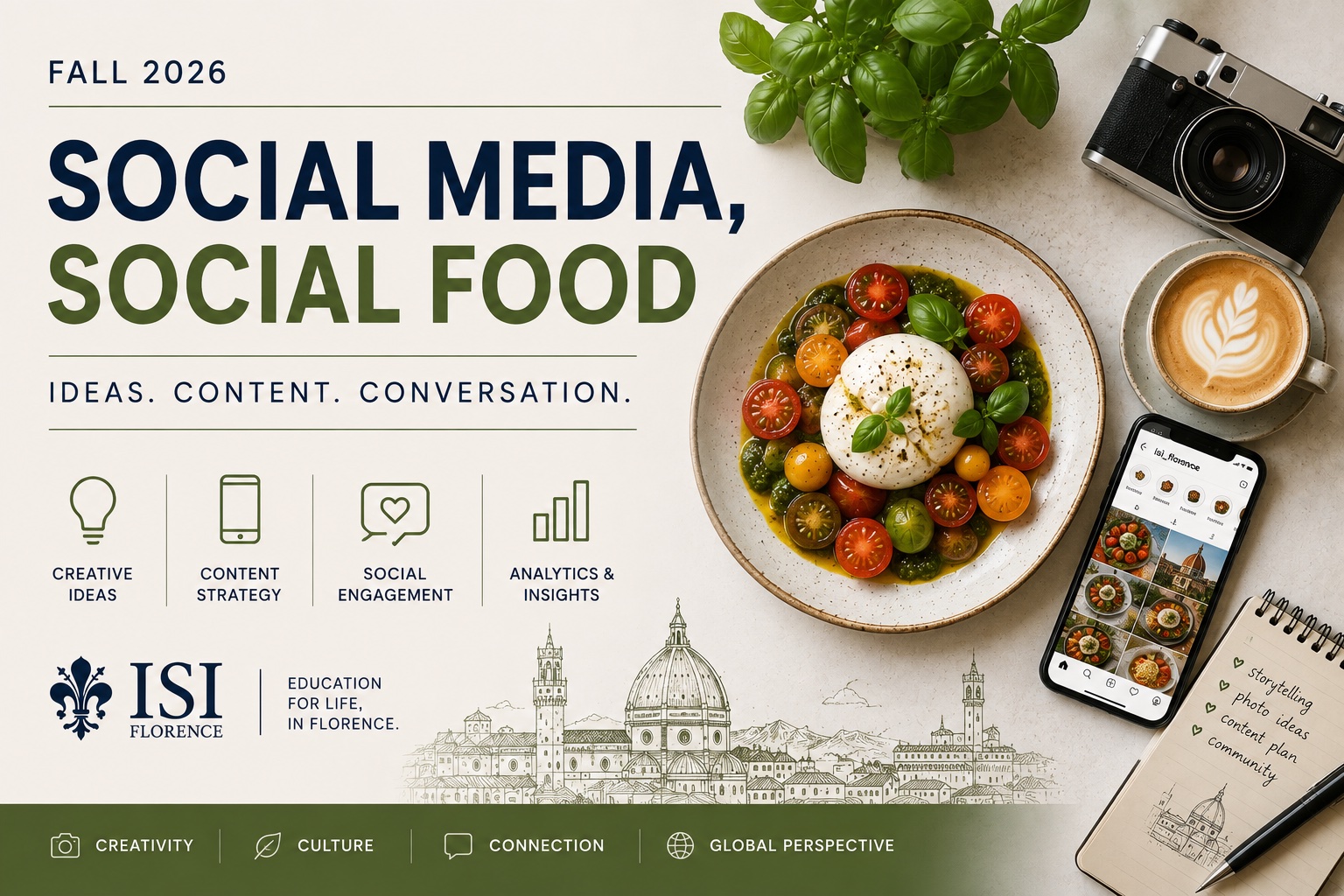
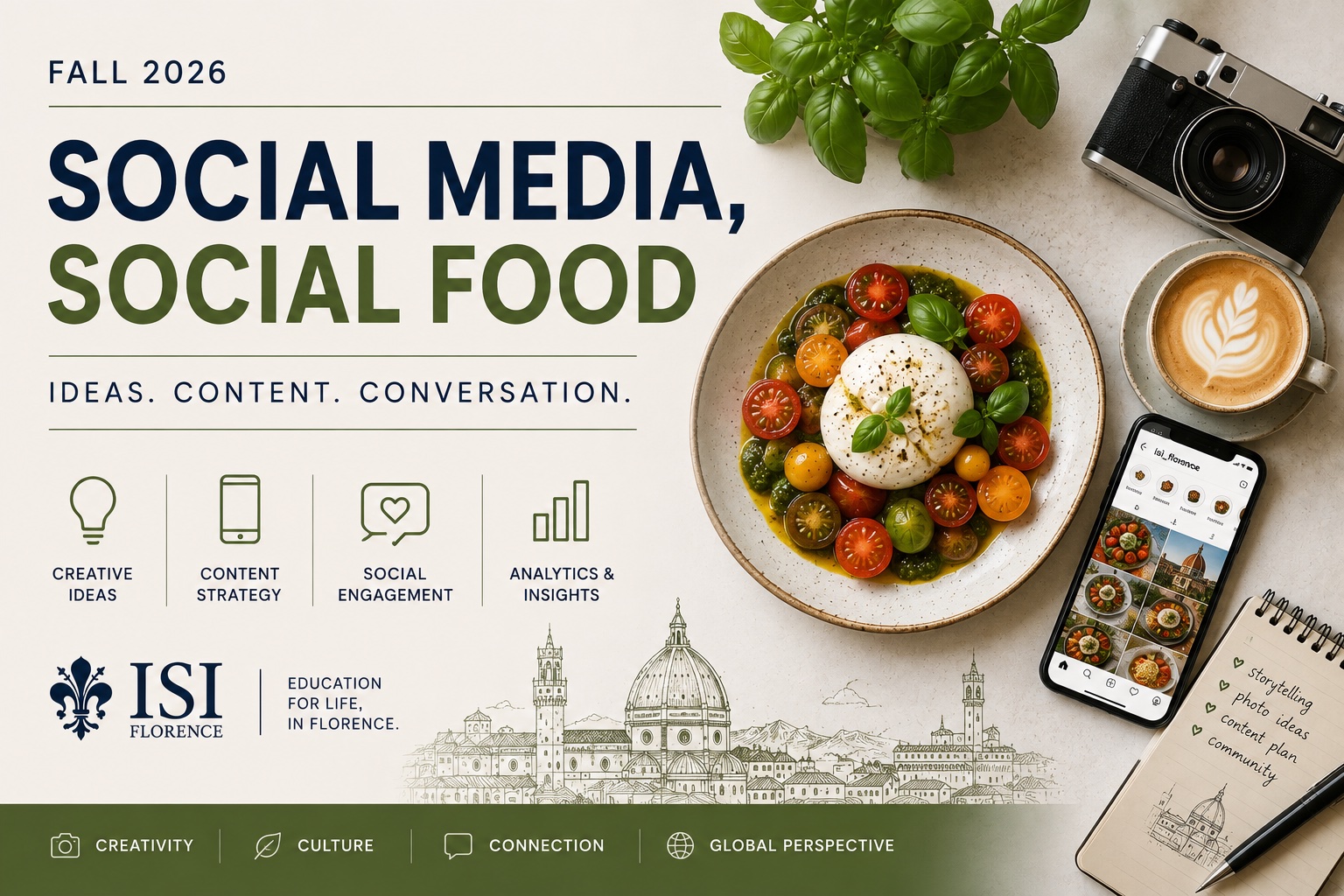
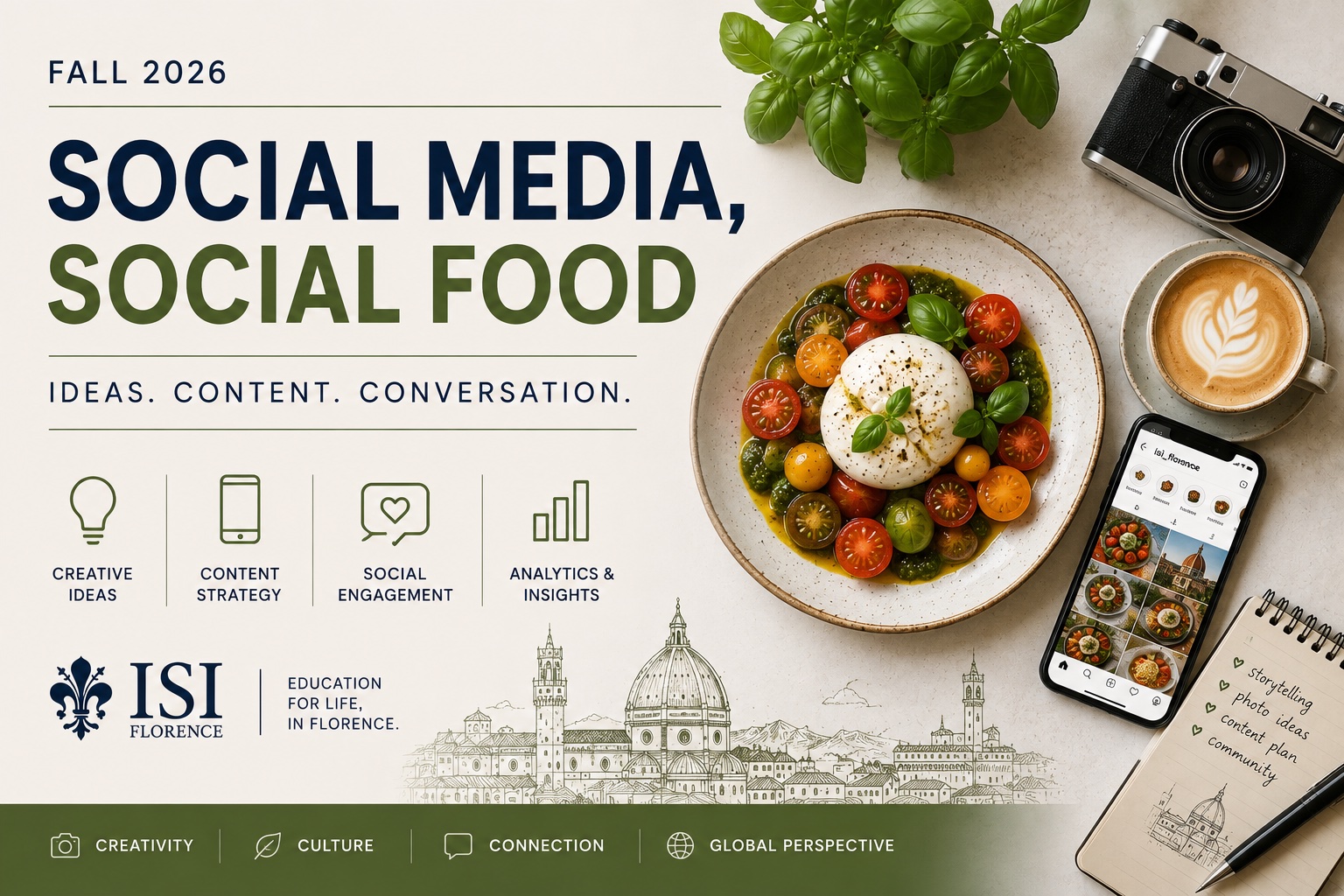
What is “Social Media”- and how will developing media skills help students plan successful careers in the world of food? The world of social media has its specialized vocabulary for food studies as well as other fields.
Key terms such as "strategy," "engagement," and "content" form the basis of our study.
More importantly, we may say that social media today is a "must" not only for any business company seeking a place in the market but also for anyone willing to emerge professionally and build a career in a society where most people expect to have whatever they need whenever they want.
- Professor: Marco D. De La Pierre

What is “Social Media”- and how will developing media skills help students plan successful careers in the world of food? The world of social media has its specialized vocabulary for food studies as well as other fields.
Key terms such as "strategy," "engagement," and "content" form the basis of our study.
More importantly, we may say that social media today is a "must" not only for any business company seeking a place in the market but also for anyone willing to emerge professionally and build a career in a society where most people expect to have whatever they need whenever they want.
- Professor: Marco D. De La Pierre

What is “Social Media”- and how will developing media skills help students plan successful careers in the world of food? The world of social media has its specialized vocabulary for food studies as well as other fields.
Key terms such as "strategy," "engagement," and "content" form the basis of our study.
More importantly, we may say that social media today is a "must" not only for any business company seeking a place in the market but also for anyone willing to emerge professionally and build a career in a society where most people expect to have whatever they need whenever they want.
- Professor: Marco D. De La Pierre

What is “Social Media”- and how will developing media skills help students plan successful careers in the world of food? The world of social media has its specialized vocabulary for food studies as well as other fields.
Key terms such as "strategy," "engagement," and "content" form the basis of our study.
More importantly, we may say that social media today is a "must" not only for any business company seeking a place in the market but also for anyone willing to emerge professionally and build a career in a society where most people expect to have whatever they need whenever they want.
- Professor: Marco D. De La Pierre

What is “Social Media”- and how will developing media skills help students plan successful careers in the world of food? The world of social media has its specialized vocabulary for food studies as well as other fields.
Key terms such as "strategy," "engagement," and "content" form the basis of our study.
More importantly, we may say that social media today is a "must" not only for any business company seeking a place in the market but also for anyone willing to emerge professionally and build a career in a society where most people expect to have whatever they need whenever they want.
- Professor: Alessandro Galatoli

What is “Social Media”- and how will developing media skills help students plan successful careers in the world of food? The world of social media has its specialized vocabulary for food studies as well as other fields.
Key terms such as "strategy," "engagement," and "content" form the basis of our study.
More importantly, we may say that social media today is a "must" not only for any business company seeking a place in the market but also for anyone willing to emerge professionally and build a career in a society where most people expect to have whatever they need whenever they want.
- Professor: Alessandro Galatoli
- Professor: Francesca Passeri

- Professor: Peter Fischer

- Professor: Peter Fischer

- Professor: Peter Fischer

- Professor: Ted Metcalfe

- Professor: Peter Fischer
- Professor: Ted Metcalfe

- Professor: Ted Metcalfe

- Professor: Ted Metcalfe

- Professor: Ted Metcalfe

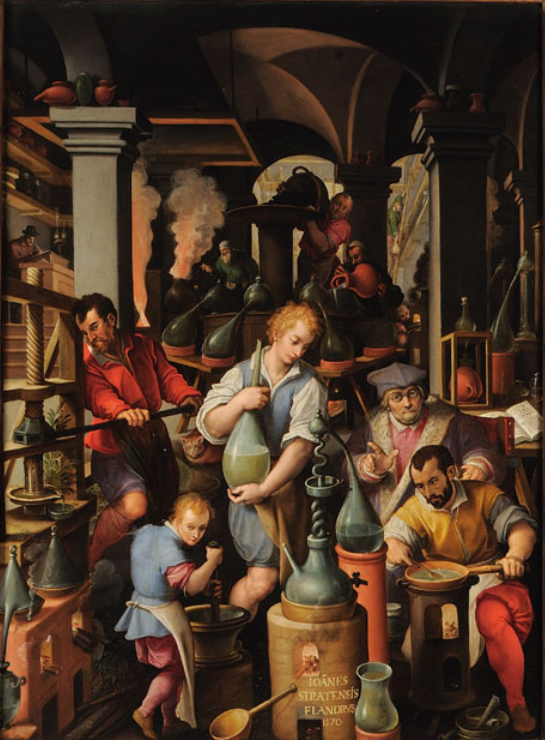
What forces shaped medicine as we understand it today? What were the social consequences of major health crises, like the Black Death? And was Western medicine truly “Western”? These are some of the questions we will examine in this survey of the history of medicine before 1800.
The course follows four major themes from Antiquity through the Scientific Revolution:
Transformations in medical theory: from the emergence of Galenic medicine—a system that dominated nearly two millennia—to Renaissance anatomy and its challenges to classical authority
Changes in medical practice: although historical models of the body and therapeutics differed sharply from today’s, healers still had to persuade patients of their expertise, and sufferers navigated a wide range of healing options.
The rise of medical institutions and regulation: from the Medieval hospital to emerging systems of medical licensing and oversight in Colonial and Early Republic America
Global exchanges of knowledge and disease: including the translation movements of the High Middle Ages, the so-called Columbian exchange, and the entanglements of medicine with colonial empires.
By exploring bodies, cures, diseases, and their consequences across social, cultural, economic, scientific, technological, and ethical contexts, the course offers a broad view of how medical knowledge and practice evolved before the modern era.
- Professor: Gaston Javier Basile

Sporting events are and always have been inseparable from politics, power, and social identity. This course examines the prominence, variety, and cultural functions of sport in ancient and modern western societies, using athletic contests as a lens for understanding political history and contemporary global issues. The first weeks focus on the Ancient World through the Renaissance, with special emphasis on how Greek Olympics functioned as diplomatic forums and expressions of civic pride, and how Roman spectacles served as instruments of imperial control. These were not mere pastimes but essential mechanisms of political power and social organization. We then trace sport's evolution through the 20th and 21st centuries as a vehicle for political ideology and social change, examining how major sporting events became stages for fascist propaganda, Cold War proxy battles, and civil rights movements. Throughout the semester we connect historical patterns to present-day issues and upcoming international competitions, analyzing how these spectacles reflect and shape contemporary politics, social movements, nationalism, and global power relations. Case studies include the Olympics, the World Cup, the significance of soccer in Europe, the interplay of race and sport, and gender equity issues. Students will select key moments of American or global sport history to illuminate broader social or political dynamics, building presentation projects in an engaged and interactive classroom environment. In addition to lectures and presentations, class activities include many discussions, brainstorming sessions on contemporary sport events, and documentary screenings.
- Professor: Erika Bianchi

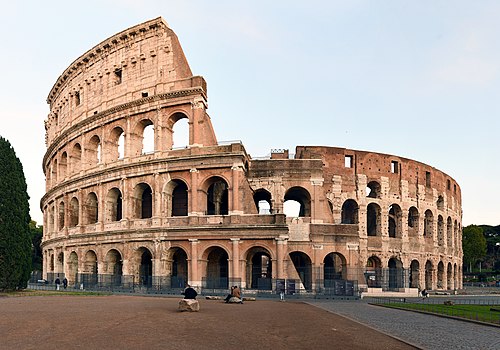
This course is an introduction to the history and culture of the Roman world, from the Rome’s beginnings in myth and legend through its rise to domination of the Mediterranean world, its violent conversion from a Republic to an Empire, and the long success of that Empire down to its collapse in the fifth century A.D. The first part of the semester will focus on the development of Roman institutions and political system, while the second will be devoted to the social structure of the Roman Empire and the daily life of its people. As we search together to unravel the historical significance of the Roman achievement, we will look at Roman literature and religion, art and architecture, and philosophy. When possible, we will give a privileged place to primary sources in translation, letting the characters of this great historical drama speak for themselves. Our readings will be supplemented by slides, videos, and a field trip to Rome.
- Professor: Erika Bianchi
- Professor: Shulamit Furstenberg-Levi

Niccolò Machiavelli, Florence-born author of The Prince, is the mastermind of the global political game, the founder of political science who understood how to manipulate human affairs to achieve any desired end. Though he never put it on paper, the famous maxim that the ends justify the means is attributed to him. But do they? and does he really mean it? For him, politics is the realm of appearances, the place for inventing ideas and identities, the theatre of dissimulation--where truth is subjected to power, power is mingled with lies, and propaganda both written and visual is the principal tool of power. It would appear that Machiavelli is the original evil genius, and his name in adjectival form is used to describe any self-serving dictator. On closer inspection, however, perhaps Messer Niccolò is less ruthless than usually portrayed. His work raises important issues of morality in politics and provides lessons about how best to govern--if you know how to interpret them. This course will examine those issues and lessons, and analyze the multifarious, high and low-brow reactions to the 500-year-old Prince, one of the most influential works of political theory and practice ever written. This course will take full advantage of being taught in Machiavelli's hometown, and will evoke the environment of his life and career, from his office in the Palazzo Vecchio to his tomb in the church of Santa Croce, as well as the artworks depicting both him and the lessons he offers to the rulers of Florence. We will also "play" with many levels of "pop culture" including Machiavelli's presence in the videogame Assassin's Creed in order to discern the man and his ideas from the myth.
- Professor: Marcello Simonetta
- Professor: Lorenzo Bernardini
- Professor: Federica DiSarcina
Course Description
This course will offer students a foundation in one of the most diffused media of the contemporary world: photography.
Students will be immersed in the world of imagery by walking tours in the Florentine landscape including urban sites and historical monuments. Florence is an ideal city for photographic imagery. Apart from hosting some of the most precious artworks, it is blessed with a variety of buildings and the unforgettable Tuscan landscape. Relying on these unique features, students will focus on beginning digital photographic techniques including professional portfolio presentation and creative thinking.
During class time there will be theoretical lectures, technical demonstrations, slide shows, practical work, critiques and photo-shooting field trips. Since photography is an art and this is a practical course, students are expected to be creative and to actively participate in class critiques and photographic practices.
- Professor: Silvia Noferi
Course Description
This course will offer students a foundation in one of the most diffused media of the contemporary world: photography.
Students will be immersed in the world of imagery by walking tours in the Florentine landscape including urban sites and historical monuments. Florence is an ideal city for photographic imagery. Apart from hosting some of the most precious artworks, it is blessed with a variety of buildings and the unforgettable Tuscan landscape. Relying on these unique features, students will focus on beginning digital photographic techniques including professional portfolio presentation and creative thinking.
During class time there will be theoretical lectures, technical demonstrations, slide shows, practical work, critiques and photo-shooting field trips. Since photography is an art and this is a practical course, students are expected to be creative and to actively participate in class critiques and photographic practices.
- Professor: Silvia Noferi
Course Description
This course will offer students a foundation in one of the most diffused media of the contemporary world: photography.
Students will be immersed in the world of imagery by walking tours in the Florentine landscape including urban sites and historical monuments. Florence is an ideal city for photographic imagery. Apart from hosting some of the most precious artworks, it is blessed with a variety of buildings and the unforgettable Tuscan landscape. Relying on these unique features, students will focus on beginning digital photographic techniques including professional portfolio presentation and creative thinking.
During class time there will be theoretical lectures, technical demonstrations, slide shows, practical work, critiques and photo-shooting field trips. Since photography is an art and this is a practical course, students are expected to be creative and to actively participate in class critiques and photographic practices.
- Professor: Silvia Noferi

Students learn how to use visual intelligence, skills and strategies to create meaningful images that reflect different multicultural realities. The works of the masters in this genre from its origin to Henri Cartier-Bresson, Helen Levitt, and Robert Frank will be analyzed and provided as a source of inspiration. The course has a strong on–site component and students will be guided to identify meaningful ‘local' subjects and acquire confidence in photographing people on the streets and in a variety of different situations.
- Professor: Alessandro Galatoli

Students learn how to use visual intelligence, skills and strategies to create meaningful images that reflect different multicultural realities. The works of the masters in this genre from its origin to Henri Cartier-Bresson, Helen Levitt, and Robert Frank will be analyzed and provided as a source of inspiration. The course has a strong on–site component and students will be guided to identify meaningful ‘local' subjects and acquire confidence in photographing people on the streets and in a variety of different situations.
- Professor: Alessandro Galatoli
- Professor: Christina Infantino
- Professor: Cecilia Rinaldi
This comprehensive Pre-departure Orientation Course is designed to equip you with all the information and references you need to kick off a successful study abroad experience in Italy.